Quitting your design job in style
Break the news, leave the camp better than you found it and prepare for your next gig

You’ve gone through the long design interview process. Not only were you able to get great offers but you were able to negotiate a great package at your top place. All that’s left is to tell your current company that you’re leaving.
First off—congrats! Success in design is often non-linear. It’s not about going to an expensive university in order to end up working for a prestigious company. Great designers know that. They’ve often times experienced different cultures, worked with different people and have seen industries shift. They understand that you can’t learn everything in one place.
In this article we’ll cover how you can quit well, set your current team up for success and prepare for your next opportunity.
Finish strong
The first person that you want to tell that you’re leaving is your manager. It’s likely that they’ll try to persuade you to stay and offer some sort of incentive, such as a higher salary. If your current job isn’t meeting your needs that you’ve hired it for — stick to your principles.
People usually don’t quit over salary. If you got to this point, it’s likely that there’s a list of things that aren’t going well at your current job. It’s bittersweet to say goodbye and venture into uncharted territory but if you’ve done your homework — the move will be worth it.
If somebody were to pick up my job today, how can I set them up for success?
Depending on where you’re working the law is usually flexible. In US, many states have “at will” employment, which means you can quit or get laid off at any time. In fact you don’t even have to have the conversation with your boss, just write your letter of resignation and be done with it.
It would be however a disservice to your team to leave so abruptly. This is especially true if you’re an expert at your craft. The first time I left my job I gave a 6-week notice and outlined a high level plan on how to transition the work. I wanted the team to be fully equipped after my departure.
If somebody were to pick up your job today, how can you set them up for success? Can you pay your expertise forward? One of the things that I appreciate in my current role is the strong design system that a prior team has put together. Even though I didn’t have the opportunity to overlap with them, their work stood the test of time on its own.
Suggest a replacement
We leave jobs because they don’t serve our needs well but this doesn’t mean that this job can’t be a perfect fit for someone else. When I was leaving my job to go to grad school I was actively looking for my replacement.
I reached out on local UXPA job boards and pitched the job at a number of UX events. Eventually I met a designer who was excited about the role and had relevant industry experience. I introduced her to the company, helping her get a head start on the interview process. So if you know someone who is interested in your role, by all means recommend them. Doing so will help your team get back on its footing quickly.
Saying goodbye to coworkers
If you already have regular one on ones with co-workers, now’s a good time to sync up for the last time. Take advantage of these to express your gratitude and thank your coworkers. This is your last opportunity to give feedback, highlight their successes and the good times you’ve had together.
Companies come and go but relationships last
One of the things that I appreciate about our design industry is its tight-knit sense of community. Investing and developing professional relationships regardless of the company is key. These people may follow you later. Or you may follow them to another role in a new company. You never know. Companies come and go but relationships last.
So on that last point, make sure to send out an e-mail thanking folks and leave contact info (usually a personal e-mail) to stay in touch after.
When you’ve had enough
On the other hand, you may totally hate your job. This gig has been driving you nuts. You feel underappreciated and overworked. No one really seems to care. If that’s the case, resist the urge to (metaphorically) flip a table.
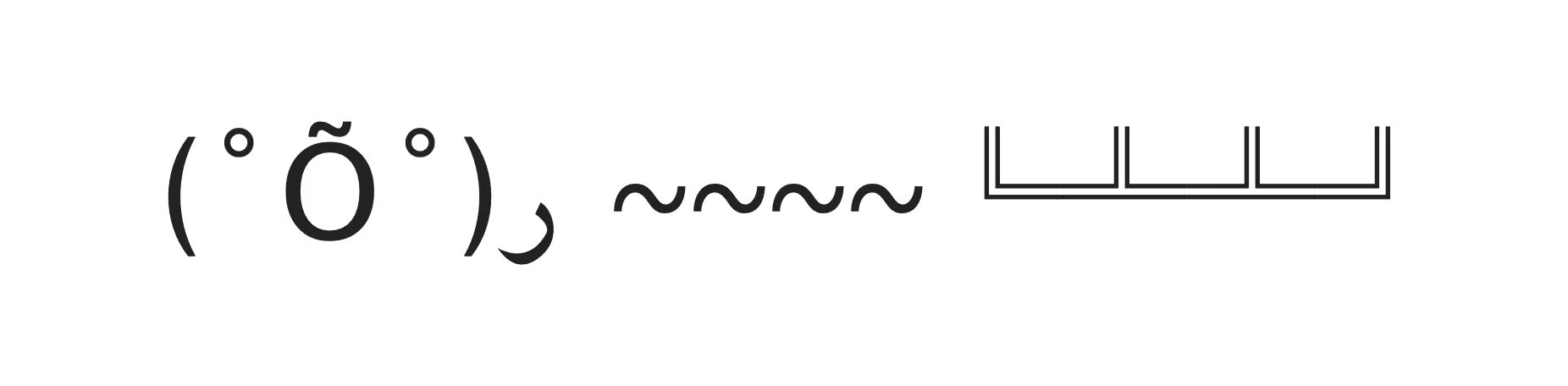
Yes, this situation isn’t good. A two-week notice isn’t required but is typical. Do the best you can and wrap things up. As Tina Seelig says in her book, What I Wish I Knew When I Was 20, an employee who was quitting refused to help during a critical time and as a result, “the damage she did to her reputation during the last weeks of her employment dwarfed all the positive things she had done in prior years.” So take the time to wrap things up as best you can.
Take the time to reflect
While the recruiter or even the hiring manager at the next role might pressure you to start as soon as possible, don’t give in.
The time that you spend between your (now) past job and your future job is just as important. Use it wisely to rest and reflect on your experience.

If your previous job has caused you to burn out (or if you’ve burnt out multiple times already) then rest should be top priority. Don’t try to do much work during this period. Disconnect fully. Catch up on what you’ve been neglecting.
Once you come back refreshed, take the time to reflect. This is a good time to revisit your original dream job framework:
- Where are you in your career now?
- What has worked well or not so well in your prior jobs?
- What skills do you want to grow in your next job?
Getting clear and writing the questions and answers out will help you frame the narrative of your previous job and tie any loose ends. You’ll also get a better signal of which opportunities to pursue in your next role. And when you’re ready start planning your onboarding.
When your job quits you
But what if the job already quit you, in other words you got laid off? It sucks but it happens. I’ve been through the experience twice. In the next article we’ll get into how to bounce back strong after a layoff.
Interested in learning more?
Check out my latest book from Holloway, Land Your Dream Design Job.
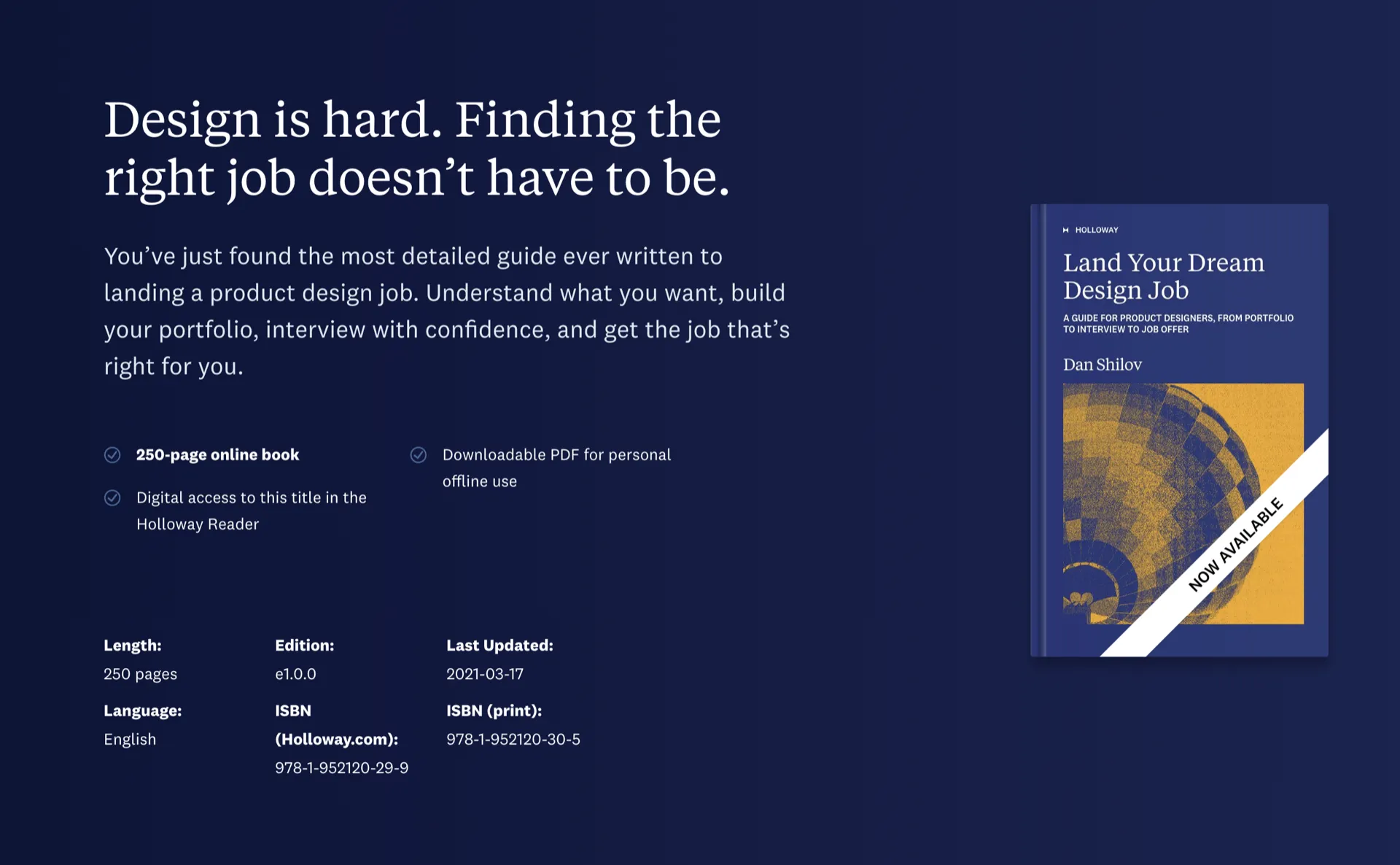
**Land Your Dream Design Job** is a comprehensive book about landing a product design role in a startup, agency, or tech company. It covers the entire design interview process from beginning to end, and will arm you with techniques and strategies to navigate the (at times) turbulent waters of job searching with confidence. This book will help guide you to a role that plays to your strengths while providing enough support for professional growth.
You’ll learn:
- What skills are expected of designers
- How to demonstrate those skills throughout the job search process
- How to identify your next opportunity
- How to target your job search process to stand out
- How to build a stand-out portfolio and tailor it to your dream opportunity
- The ins and outs of various design interview types from portfolio presentations, whiteboard challenges, app critiques, to take home design exercises and many others.
You’ll also find in-depth advice on how to apply beyond the job boards, and how to conduct due diligence, negotiate compensation, and accelerate onboarding to your new role.